SHELTER
Creative Lead — campaigns, brand and digital
Across six years at Shelter, I led integrated creative across brand, campaigns and digital — shaping how the organisation communicated during a period of major change. My work spanned creative direction, design, commissioning and collaboration with teams across policy, services, fundraising and digital.

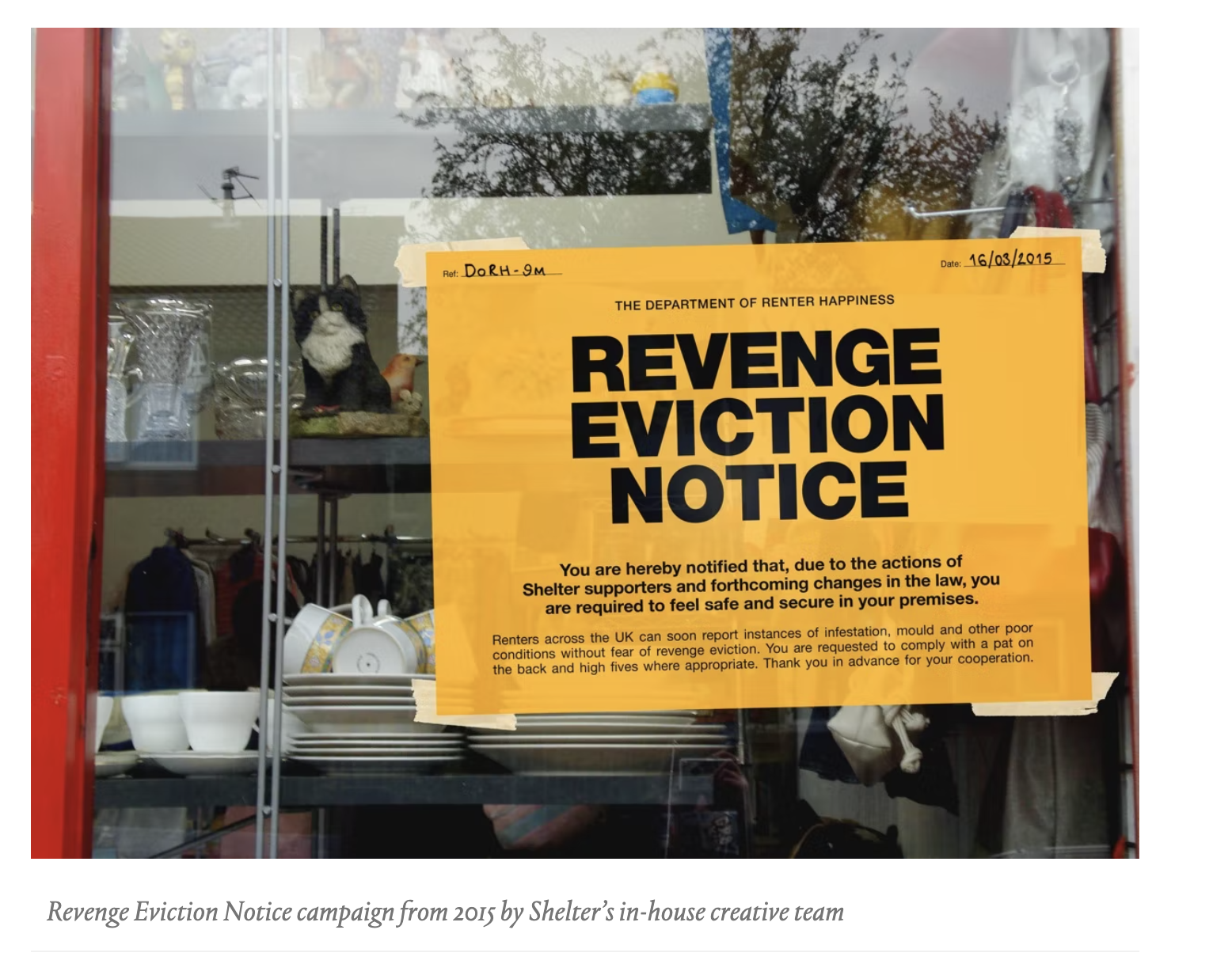
Starting with clarity
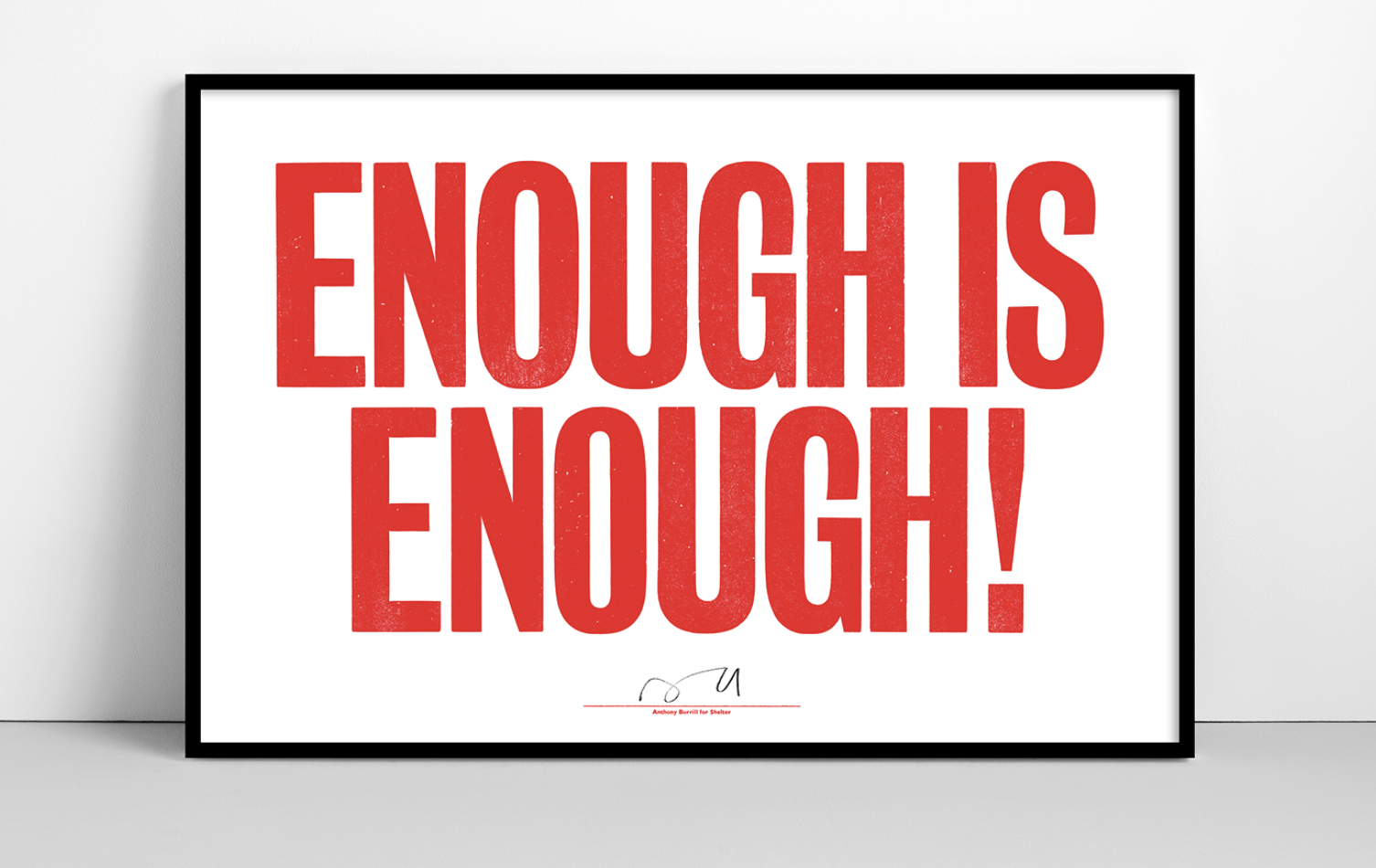
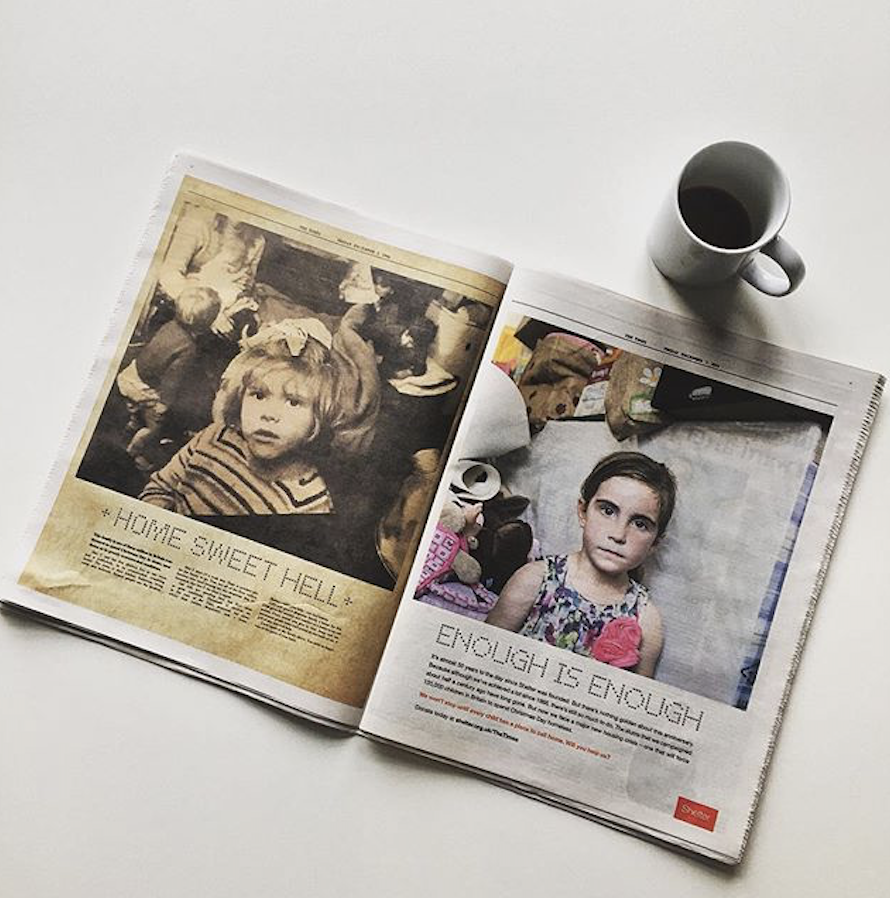
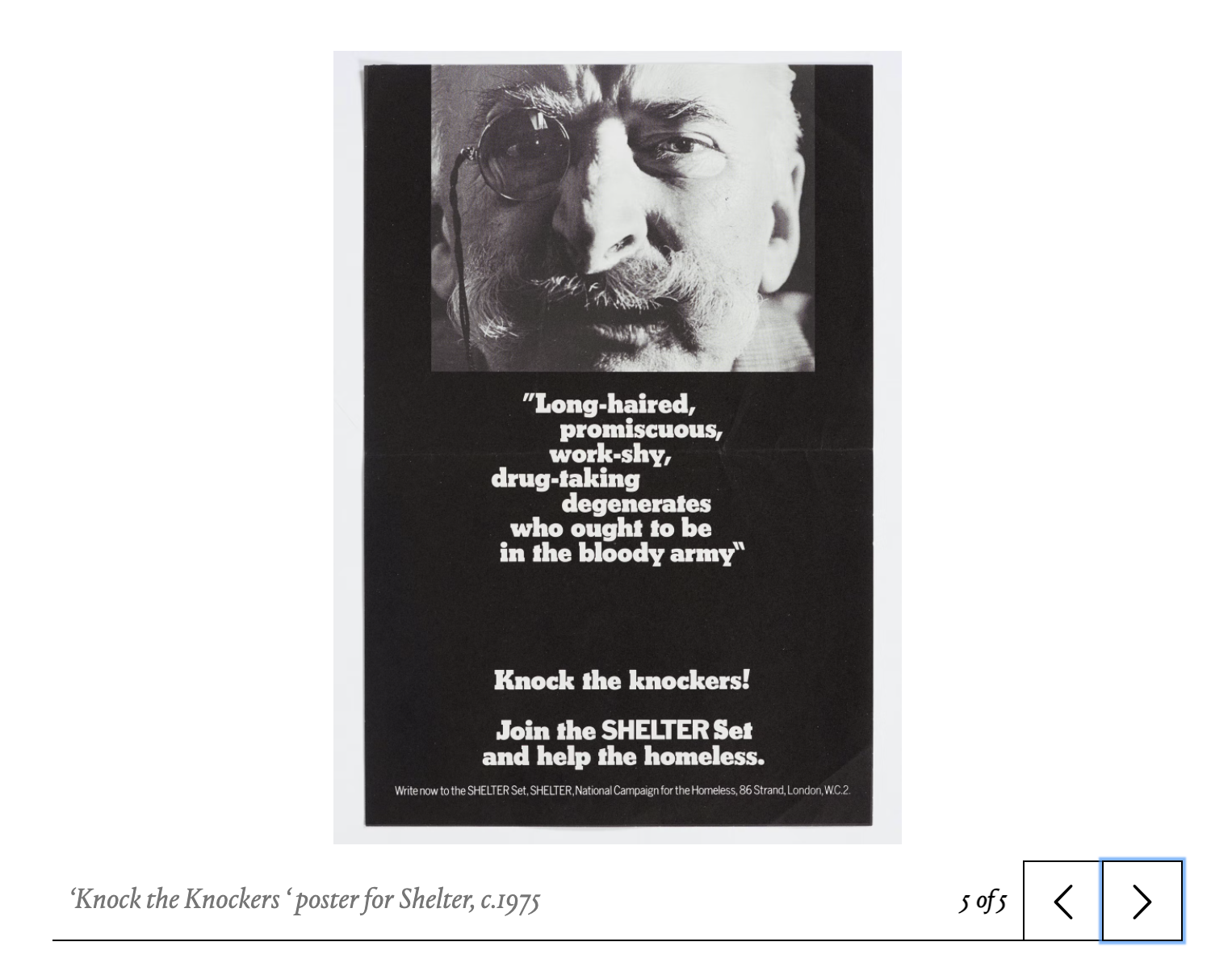
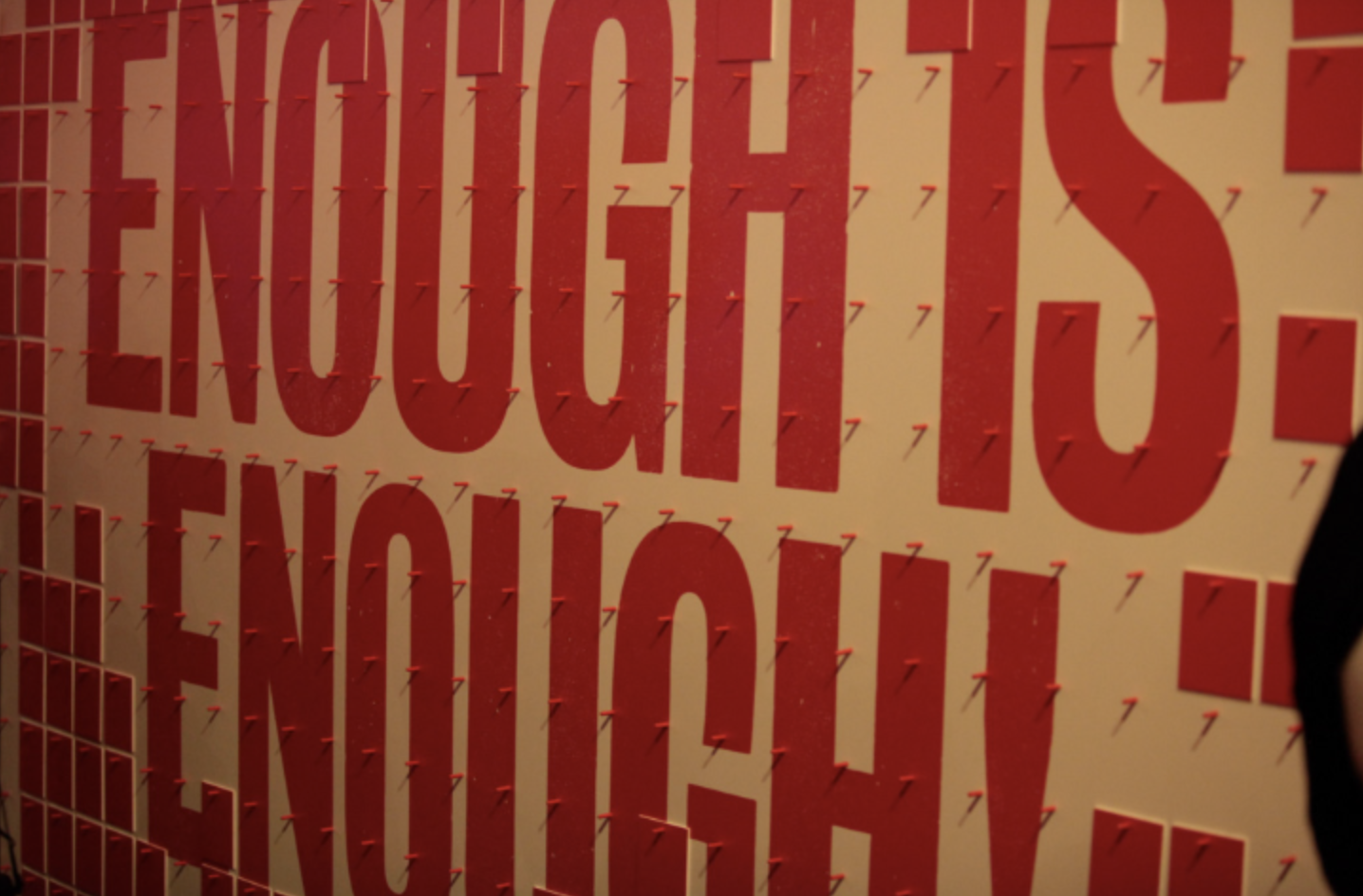
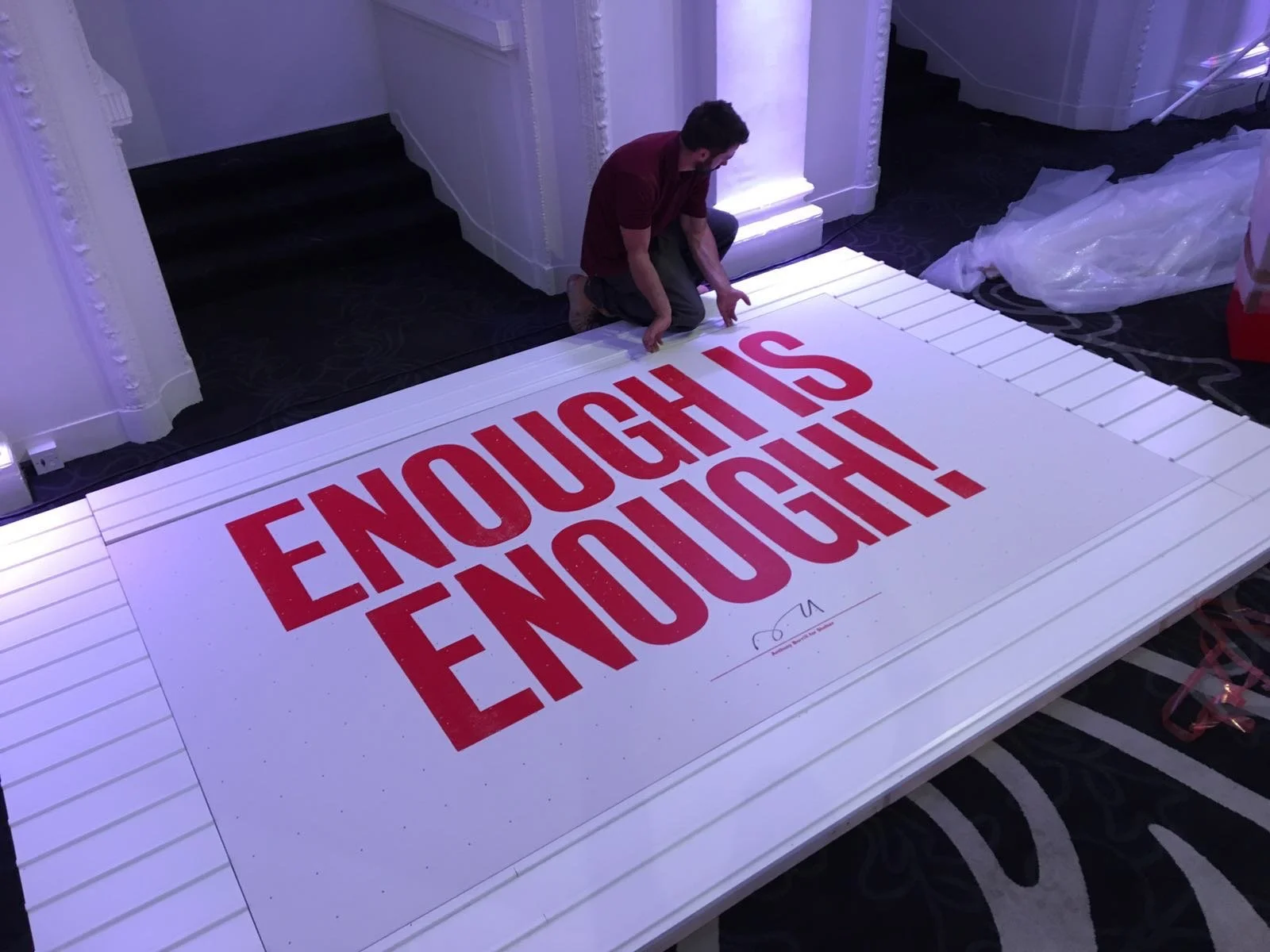
Shelter’s campaigning voice is rooted in clarity and urgency. I helped develop and direct work like Enough is Enough — a campaign built on bold, uncompromising language and a visual system designed to cut through noise and speak directly to people’s lived experience of the housing emergency.
Experiences, events and collaborations
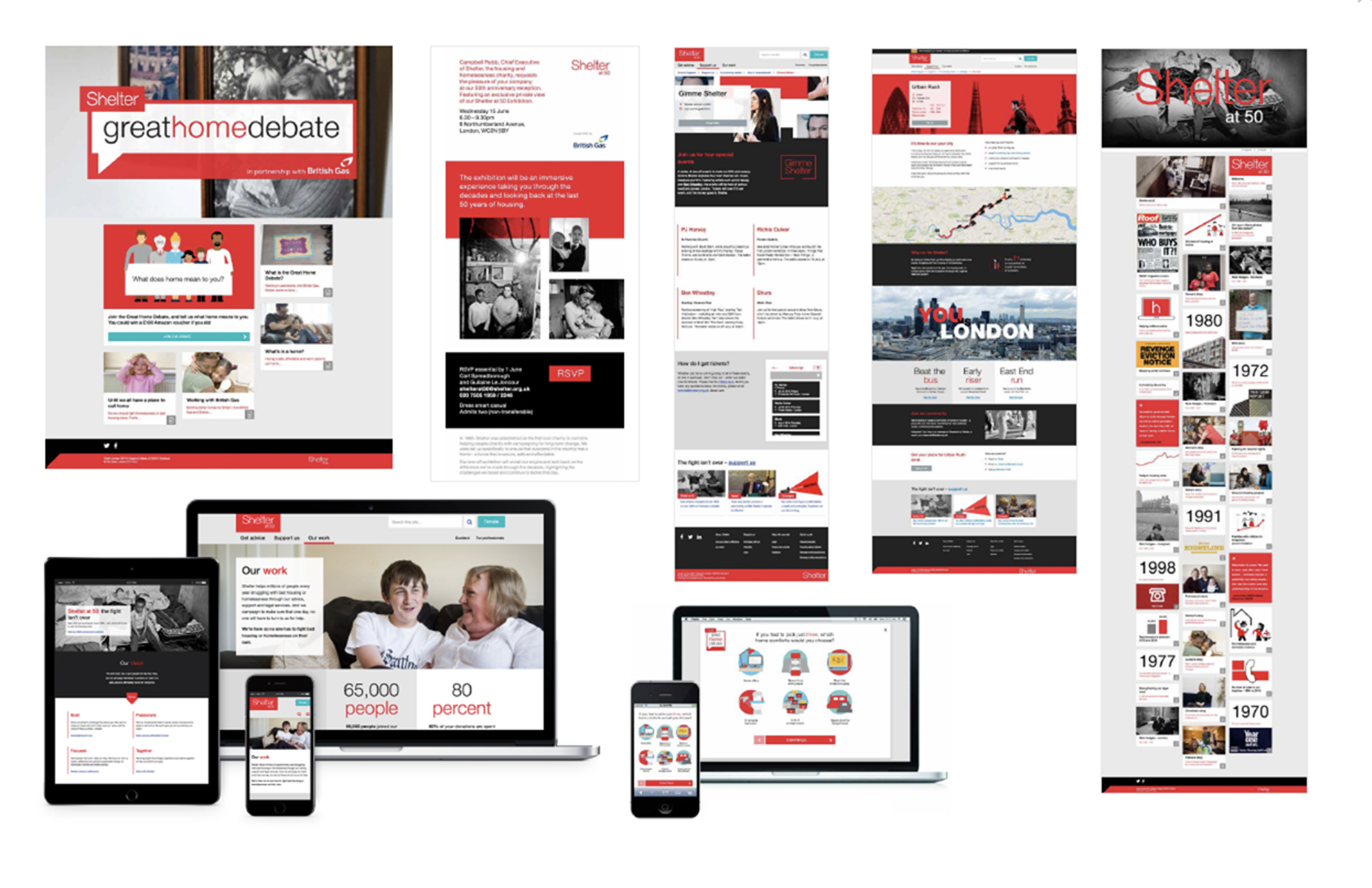
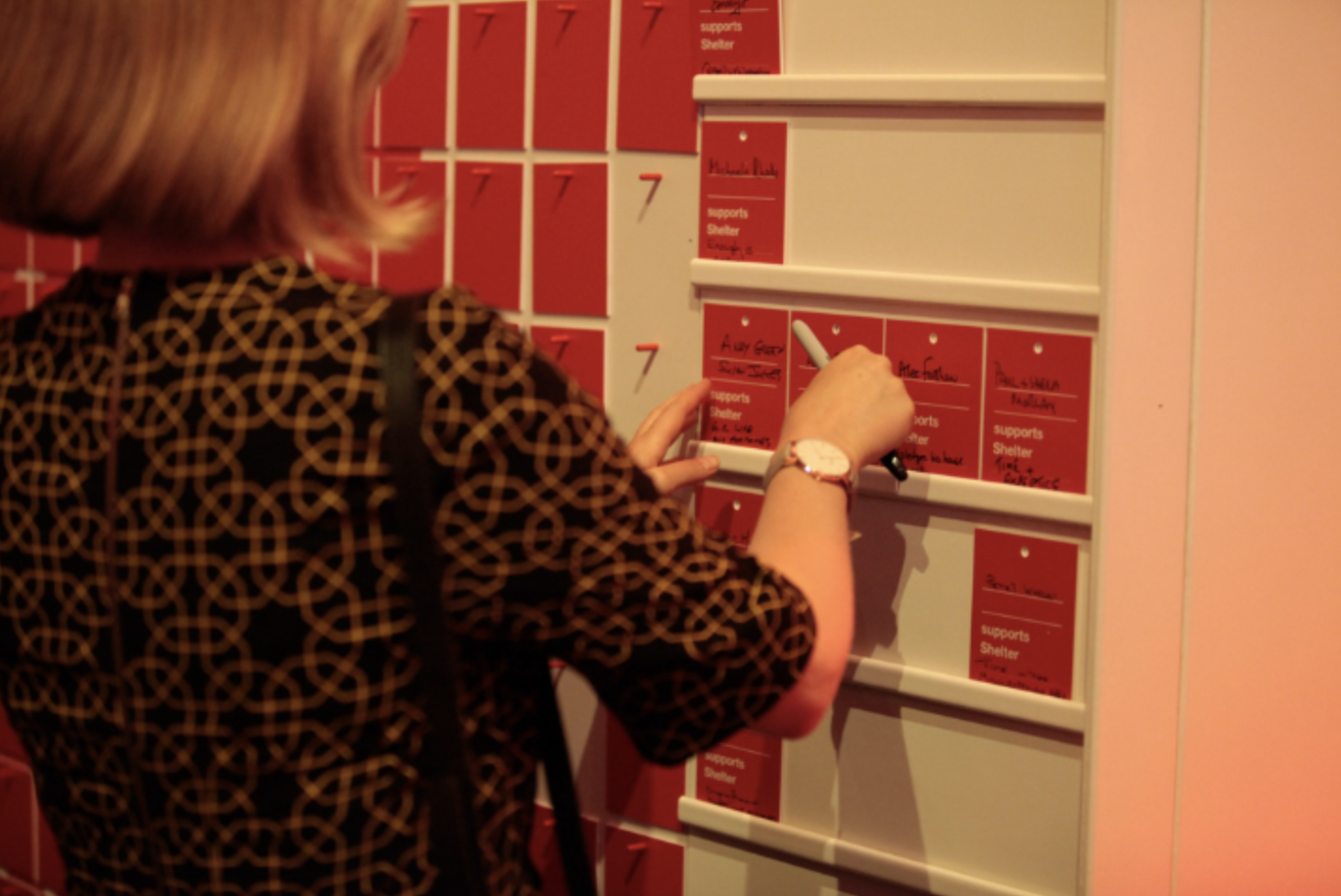
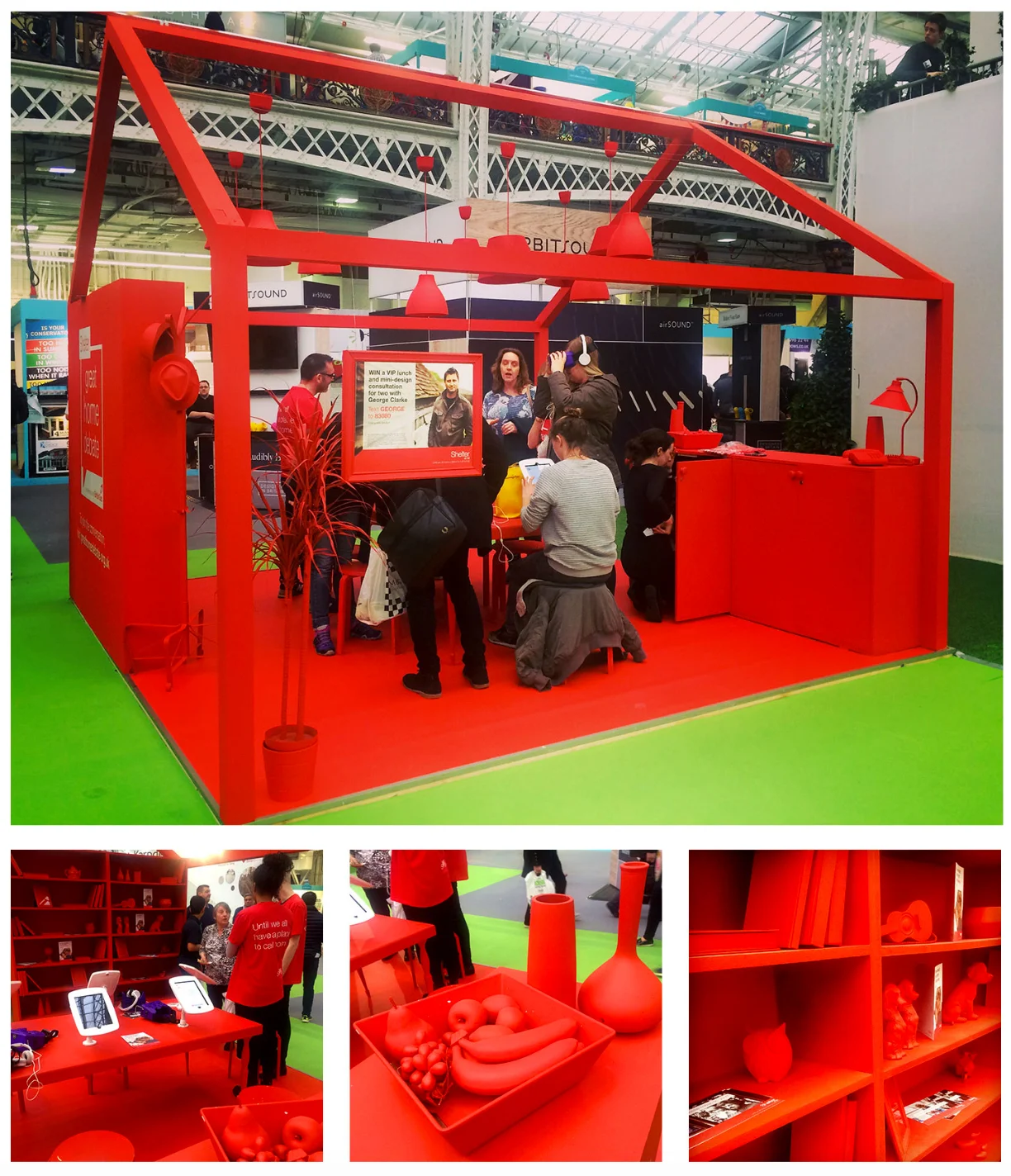
Alongside campaign work, I led creative for public‑facing experiences and events — from a photographic project marking Shelter’s 50th anniversary to installations at the Ideal Home Show. These projects explored how physical space, storytelling and participation can bring people into the conversation in new ways.
Storytelling and reaching new audiences
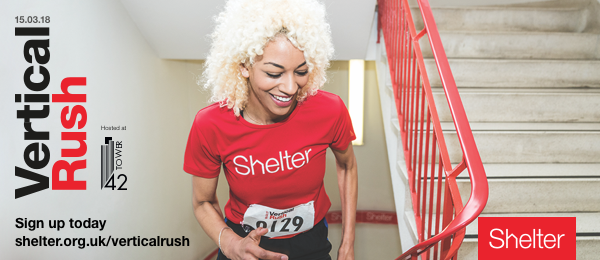
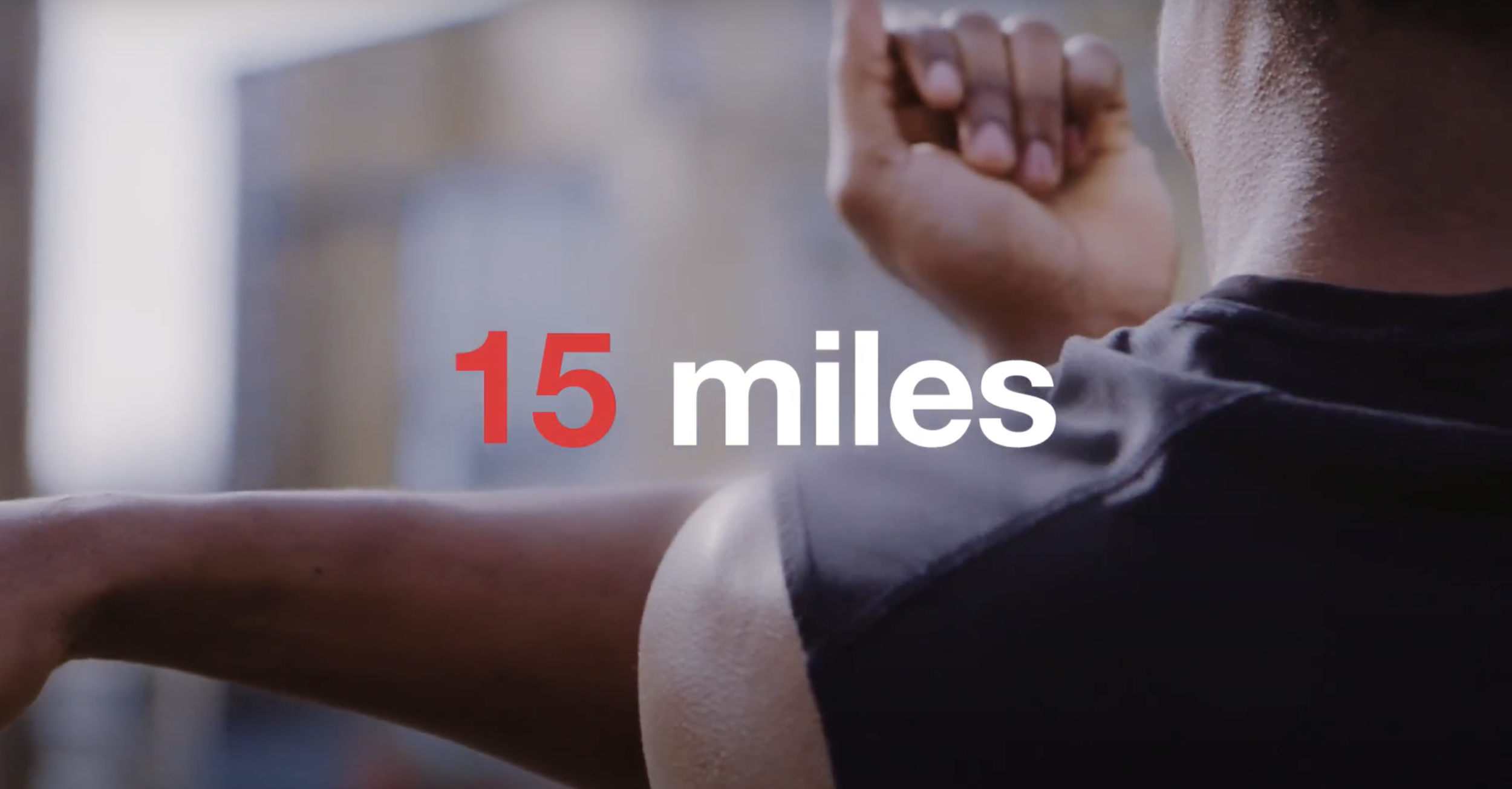
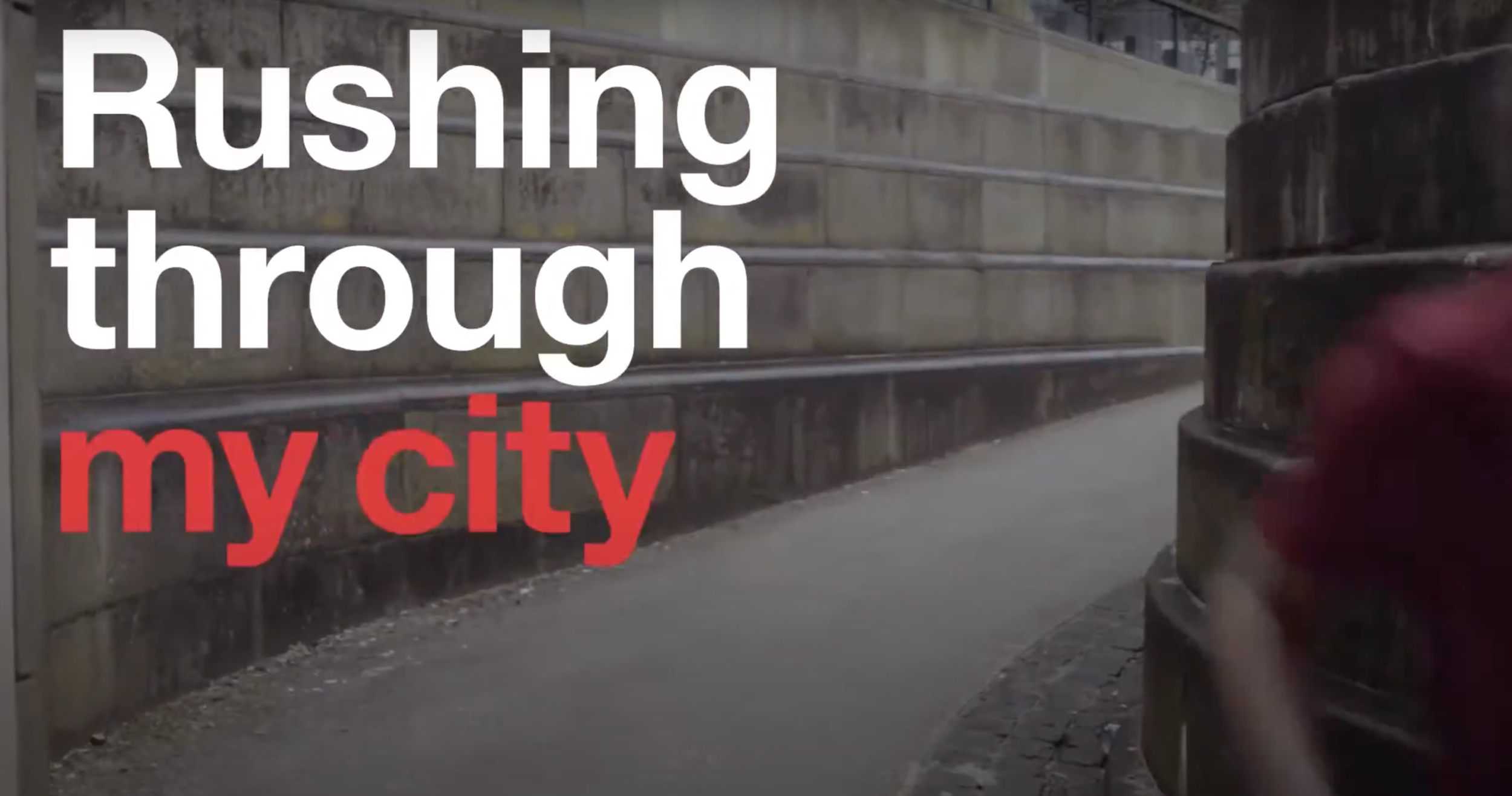
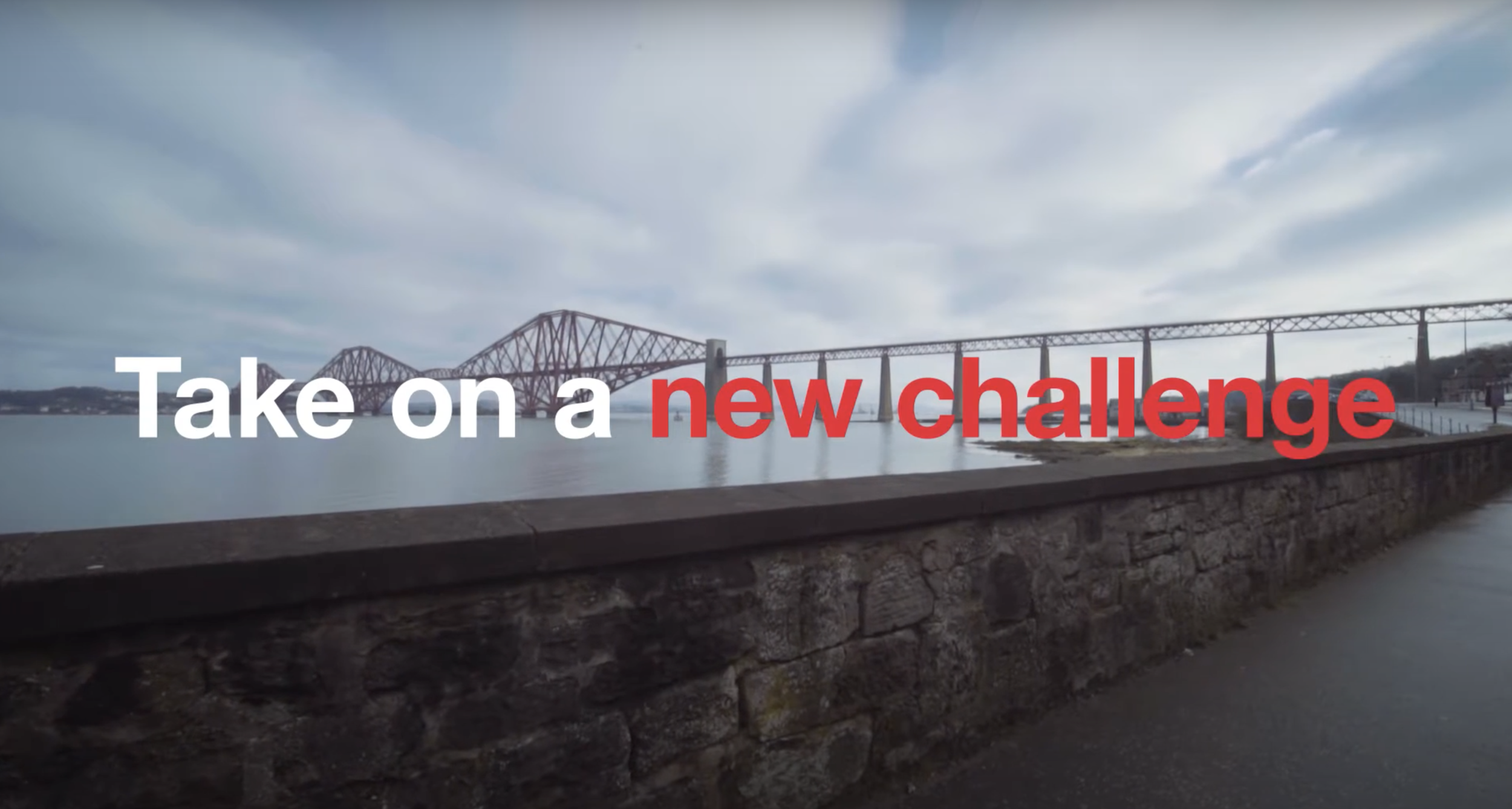
I led creative for Vertical Rush, Shelter’s flagship fundraising event — a challenge that saw thousands of people race up the stairs of London’s tallest buildings to raise money for the housing emergency. My work focused on capturing the emotional and physical realities of “space and place” — the distance travelled, the city as lived experience, and the determination behind every step.
The campaign helped broaden Shelter’s reach, connecting with new audiences through bold storytelling, striking visuals and a strong sense of movement and momentum.
Research, insight and design
I also led design for the Living Home Standard, a major research project delivered with British Gas. The work translated complex findings into a clear, accessible narrative — helping shape public understanding of what a safe, secure and affordable home should be.

A more confident, connected identity
Across all of this work, my focus was on strengthening Shelter’s creative identity — building confidence in a bolder, more campaigning voice that could flex across channels, support inclusive practice and bring clarity to complex issues. It was about creating a connected system: one that could hold urgency and humanity side by side, and help more people understand, feel and act on the housing emergency.